Objective Control in League of Legends: Full Guide

Objectives go to the team that prepares, not the team that smites. Use timer-based checklists for dragons, Voidgrubs, Herald, Atakhan and Baron, and learn when to trade instead of contesting.

Objective control in League of Legends is usually decided before the objective spawns. The team that pushes its lanes first, owns vision on the approaches and arrives together takes the dragon, the Voidgrubs or Baron Nashor without a coin-flip fight. The team that walks in late should either fight with a clear disadvantage in mind or trade for something on the other side of the map.

Every major objective follows the same timer-based setup, and every objective you cannot contest can be swapped for one you can. The sections below cover each objective in turn, then how teams at the highest level trade them.

Key takeawayThe three rules of objective control

Objectives go to the team that prepares, not the team that smites.

  1. Push your lanes before you move to an objective, because priority is what lets you arrive first.
  2. Start setting up 60 seconds before spawn: waves first, then wards, then group.
  3. If you cannot arrive first, trade an objective on the opposite side instead of gambling on Smite.

Priority comes from lanes: the base of objective control in League of Legends

Lane priority is the foundation of every objective. Priority (prio) means your laner’s wave is pushing toward the enemy, so your laner can leave first while the opponent is stuck catching minions under their turret. Whoever moves first reaches the river first, places wards first and chooses where the fight happens.

Junglers often get blamed for lost objectives, but a jungler with no lane prio is walking into a fight where the enemy arrives with more people. Smite wins the last few seconds of an objective. Lanes win the minute before it.

Which lanes matter for which objective

Dragon sits bot side, so it needs mid and bot priority. Voidgrubs, Rift Herald and Baron sit top side, so they need top and mid priority. Mid matters for everything because the mid laner has the shortest rotation to both pits.

Read it from the minimap, not the timer. If your bot lane has a wave pushing into the enemy turret and the enemy mid laner just recalled, you have dragon priority even if your jungler is a level down. If your top laner is shoved under their own turret with a big wave crashing into them, you do not have Voidgrubs, no matter how ready the timer says they are.

How to create priority on purpose

Priority is built, not found. Before an objective, the laners on that side should clear their waves as fast as they can, then hold position near the river instead of drifting back to farm. Champions with fast waveclear, such as Orianna in mid or Jinx in bot, make this easy; champions with weak clear need to start pushing earlier.

Recall timing feeds into this. A laner who crashes a wave, recalls, and returns with gold spent before the spawn arrives with priority and a power spike at the same time. A laner who stays in lane for one more wave arrives with neither.

When you do not have priority

Without priority, your jungler should not walk into the pit alone. The better options are to ward deep on the opposite side, clear camps and line up a cross-map trade, or show on the far side of the map so the enemy spends time looking for you. Jungle pathing that ends on the side where your lanes are winning saves you from this situation in the first place.

Elo changes how strict this is. In low elo, laners often ignore timers, so a pushed wave and a ping are frequently enough to take a free dragon. In high elo, the enemy jungler tracks your clear and will contest any objective you start without prio.

Setting up 60 seconds before spawn

Setup is a timeline, not a single decision. The diagram below breaks down the 90 seconds before a spawn: push the side waves, ward the pit, group, and expect the enemy to show in the last 30 seconds.

A countdown strip from 90 seconds before an objective spawns. Push the side waves from 90 to 60 seconds, ward the pit from 60 to 40, group in the river from 45 to 15, and expect the enemy to arrive in the last 30 seconds.
The 90 seconds before a spawn: push side waves, ward the pit, group, and expect the enemy in the last 30 seconds.

The setup timeline

  1. 90 seconds out: recall if you need items, so you come back with gold spent and full health and mana.
  2. 60 seconds out: laners on the objective side crash their waves, and the side laner on the opposite side pushes as far as is safe.
  3. After the waves crash: the support and jungler ward the enemy’s approach paths and sweep their wards with Oracle Lens.
  4. Last 30 seconds: group in the river on your side of the pit and expect the enemy to face-check or poke from fog.
  5. At spawn: start only if you hold vision and have the numbers; otherwise zone the entrances and wait for a mistake.

The order matters. Warding before your waves are pushed means your support walks into the river while the enemy still has prio, which is how supports die before the fight starts. Waves first, then wards, then group.

Where to ward

Ward where the enemy walks from, not where the objective sits. A Control Ward inside the pit shows you what you can already see; wards on the enemy’s approach brushes and jungle entrances tell you who is coming and from which angle. Our warding guide covers exact spots for each side of the map.

Denial is half the job. Your jungler and support should sweep with Oracle Lens as they arrive, because every enemy ward you clear forces them to face-check into your team.

Mid-game objective checklist

Run this list every time an objective timer comes up, before you ping your team to group.

  • Do our lanes on this side have priority right now?
  • Are the side waves pushed, or will we lose a turret or plates while we fight?
  • Is our jungler’s Smite up, and where was the enemy jungler last seen?
  • Do we have wards on their approach, and have we cleared theirs?
  • Are our key cooldowns, such as Flash and engage ultimates, up compared to theirs?
  • If they arrive first, what do we take instead?

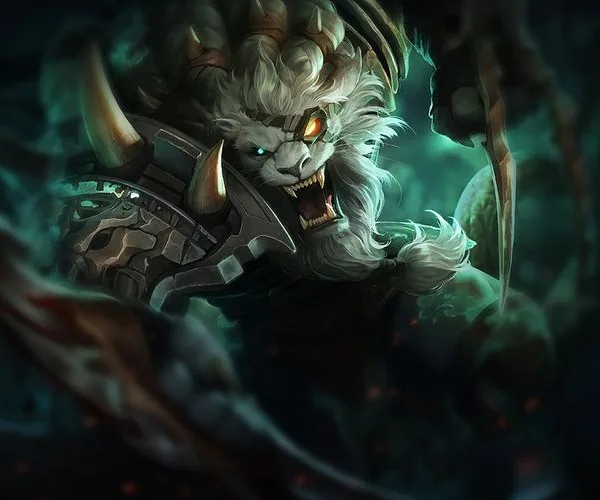
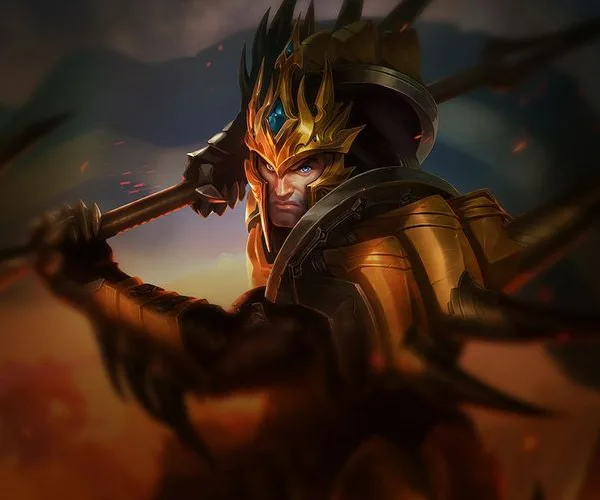
Two high-elo jungle games in MID.GG’s library are worth watching with this checklist open: Oner on Qiyana against Rengar in Challenger, and Clid on Nidalee against Jarvan IV in Grandmaster. Pause before each spawn, run the checklist yourself, then compare your call with what the player does. More games sit on our streamers and pro players page.

Oner's Qiyana vs Rengar, Challenger, 3 Aug 2026Watch for: are the side waves pushed before Oner's team groups at each objective?Oner Qiyana vs Rengar

Clid's Nidalee vs Jarvan IV, Grandmaster, 8 Oct 2026Watch for: does the jungler check where the enemy jungler was last seen before committing to an objective?Clid Nidalee vs Jarvan IV

Dragons and soul: how dragon priority changes over a game

Early dragons are worth taking when they are cheap and worth giving up when they are expensive. Each one adds a permanent bonus and moves your team toward soul, so dragon priority rises with every drake taken. Your willingness to fight for one should rise with it.

Early dragons

A single early dragon rarely decides a game on its own. If your bot lane has priority and the enemy jungler just showed top side, take it. If taking it means fighting in the river with a losing bot lane while the enemy mid laner is already rotating, let it go and take Voidgrubs, camps or plates instead.

Element matters too. Some dragon buffs fit your composition far better than others, so a dragon that suits your team is worth a little more risk. Once the soul element is revealed, the map changes to match it, which shifts vision and the paths into the pit; check the new terrain before you plan where to ward.

The soul point

When one team is a dragon away from soul, that dragon becomes the most important objective on the map. Soul is permanent and changes every remaining fight, so the team behind must contest it with all five players, even if that means giving up a top-side tower to do it.

Both teams know this fight is coming, so the setup starts earlier than usual. The advantage goes to whichever team has its waves pushed and the river warded first. Recall earlier than you think you need to, and make sure your bot lane is not still farming a cannon wave when the timer drops.

Elder Dragon

Elder Dragon turns close fights into wipes by letting your team execute low-health enemies. Treat it like Baron: start it only with numbers or full vision control, and never as a gamble. If the enemy takes it, avoid fighting until the buff expires; defend from range, clear waves and give up outer structures if you must. Our guide on how to teamfight covers how to play those defensive fights.

Voidgrubs and Rift Herald

Voidgrubs and Rift Herald are top-side early objectives that pay out in turrets, not stats. Their value depends on whether your team can turn them into structures.

Voidgrubs

Voidgrubs give your team a buff that speeds up damage against structures, so their value scales with how often you hit turrets. Compositions with split pushers, siege champions and strong early lanes get the most from them. Scaling teamfight compositions that plan to group late get less, and can often afford to trade them for dragon.

Voidgrubs spawn as a group and take time to clear, which commits your jungler, and often your top and mid laners, to that side for a while. Do not start them if the enemy jungler is unaccounted for and your top laner is shoved in. Decide during your first clear which side you want, because in most games one team plays for the grubs and the other plays for the first dragon.

Rift Herald

Rift Herald replaces the Voidgrubs in the same pit and is summoned to charge a turret. Its value comes from how you use it, not from killing it. Use it where the enemy cannot respond quickly: right after a kill in that lane, when the laner has just recalled, or as the second half of a cross-map trade.

Dropping Herald into a lane where the enemy has four players nearby wastes it. Herald’s charge is most rewarding while turret plating is still up, so use it early rather than holding it for a perfect moment that never comes.

Atakhan

Atakhan is a mid-game river objective whose value comes from the fight around it. Its exact rewards and spawn rules can shift between seasons, so read them fresh in the patch notes; the principles for contesting it stay the same.

Because Atakhan arrives as teams stop laning, it is often the first objective both teams fully group for. That makes it a teamfight test. The team with better waves and more completed items should force it, and the team behind should not walk into a fight it would lose anyway just because the timer is up.

Use the same 60-second setup, with one difference: side lanes matter more. Both teams are pulling players off lanes at the same moment, so a team that leaves a side wave crashing into its own turret pays twice. It loses the structure and arrives a person short.

If you are behind, the right answer is often to trade it. Take a far tower or a dragon in the same window, or clear vision on your side and wait for the next objective where your composition fights better.

Baron timing: when to start, when to give it up

Start Baron when you know the enemy cannot contest it, not when you hope they won’t. Baron Nashor takes long enough that any team with vision and numbers can collapse on you, and losing a fight inside the pit with low health often loses the game.

When to take Baron

  • After a won fight that leaves several enemies dead with long death timers.
  • When the enemy jungler is dead or out of position, so nobody can contest Smite.
  • When you hold vision on every approach and have cleared their wards around the pit.
  • When side waves are pushing toward them, so they must choose between defending and contesting.
  • When their split pusher is far away and cannot Teleport in.

You do not need every condition, but you need more than one. A won fight plus vision is a safe Baron. Vision alone, with all five enemies alive and their jungler’s Smite up, is a bait you should not take.

When to give it up

Walk away the moment the enemy shows with more players than you can fight, or when their jungler reaches Smite range while your team is low. A half-health Baron you leave costs nothing. A Baron stolen while your team is low on health costs the fight that follows, and often the game.

If the enemy starts Baron and you cannot contest, take what is opposite: an inhibitor, a dragon or a tower. Our split pushing guide covers how a side laner pressures the far side while the enemy is committed to the pit.

Watch outDo not start Baron to bait a fight you cannot win

Starting Baron to draw the enemy in only works if your team wins the fight while Baron is hitting you. If you would lose that fight on open ground, you will lose it faster in the pit.

Using the buff

The Baron buff empowers nearby minions, so the play after Baron is to push more than one lane at once, not to force a five-versus-five into the enemy base. Split your team across waves, take outer turrets and inhibitors, and regroup only when the enemy commits to defending one lane.

Frequently asked questions

When should you take Baron in League of Legends?

Take Baron when the enemy cannot contest it: after a won fight that leaves several enemies dead, when their jungler is dead or out of position, or when you hold vision on every approach. Push side waves first. If the enemy shows with equal numbers and Smite, walk away and trade elsewhere.

Is dragon or Voidgrubs more important early?

It depends on your composition and lane priority. Voidgrubs help teams that hit turrets often, such as split pushers and early siege compositions, while dragons add permanent bonuses and build toward soul. Take the side where your lanes have priority, and trade the other objective rather than contesting both with weak lanes.

What does lane priority mean for objectives?

Lane priority means your laner’s wave is pushing into the enemy, so they can leave lane first while the opponent catches minions. For dragon, you need mid and bot priority; for Voidgrubs, Herald and Baron, you need top and mid. Whoever moves first wards first and chooses where the fight happens.

Should you contest objectives when your team is behind?

Usually not directly. If the enemy has priority, vision and more items, contesting means fighting on their terms. Trade instead: take a tower, camps or the opposite objective in the same window. Contest only when the next objective gives soul or Elder, or when you have a pick that changes the numbers.

How do you trade objectives across the map?

Start your objective at the same moment the enemy starts theirs, on the opposite side of the map. If they take dragon, take Voidgrubs, Herald or a tower at the same time. Ping the plan before spawn so laners push first, and never start the trade after they have already finished.

Sources

  1. Riot Games: How to play League of Legends

See these fundamentals in high-elo VODs

  • Jump straight to any moment: kills, objectives, teamfights
  • See the exact build path and rune page at every minute
  • Thousands of pro and Challenger VODs, updated daily
Champion pages
Free · Windows · no account needed