When to Back in League of Legends: Recall Timing

The best recall costs you nothing because the wave was going to die under the enemy tower anyway. Here is how to time every back for tempo, gold and objectives.

Back in League of Legends when the wave is crashed into the enemy tower and you have a reason to spend the time. That reason can be gold for a component that changes your trades, health or mana too low to contest the next wave, or an objective you need full stats for. The best recall costs you nothing because the wave was going to sit under the enemy tower anyway.

The worst back hands your opponent free minions, turret plating and the next move on the map. Recall timing is really wave management with a shopping trip attached. Get the wave right first and the back almost times itself.

Key takeawayRecall timing in three rules

A good recall turns time you would waste into gold you can spend.

  1. Crash the wave before you recall so the minions die to the enemy tower, not yours.
  2. Plan the purchase before you press B, and back when the gold buys a component that changes your next fight.
  3. Recall before an objective spawns, not while your team is already setting it up.

Why recall timing decides tempo

Tempo is who gets to act first on the map, and recall timing decides it more often than kills do. Every back takes you out of the game for the channel and the walk back to lane. If you spend that time while the wave is under the enemy tower, you lose nothing. If you spend it while the wave is marching toward your tower, you lose minions, experience and sometimes plating.

The player who backs at the right moment reaches the next wave first, with fresh items. That player gets to shove, ward, roam or join the jungler, while the opponent is stuck catching up. That is what high-elo players mean by having tempo: you choose what happens next, and the enemy reacts.

What a bad recall actually costs

The cost of a recall is mostly the wave you leave behind. A wave that crashes into your tower while you shop loses minions to tower shots, and you lose the experience from everything that dies while you are gone. You often return to a wave that has bounced back toward the enemy, who can now slow push or freeze it on their side.

Gold and stats only matter if you can use them. A component bought by giving up a full wave is often a net loss. You paid for it in minions you never get back, and you arrive in lane late against an opponent who did not pay that price.

When you have to back anyway

Low health and an empty mana bar override the crash rule. If staying means the enemy can kill you or zone you off the next wave, back now and accept the lost minions; dying costs far more. The real skill is spotting that moment a wave early, so you can shove first instead of being forced out with a wave in your face.

Gold thresholds and item spikes

Back timings should follow your build, not a full gold bar. Before you recall, know exactly what you will buy and whether that purchase changes your next trade. A component that adds damage or survivability you feel in lane is worth a back. A pile of gold with nothing useful to spend it on is not. Our power spikes guide explains which purchases change fights for each class.

Plan the purchase before you press B

Check the shop while you are still in lane. If you are slightly short of the component you want, it is usually better to farm the next wave, crash it, and back with enough gold than to recall now and buy something you did not plan. Each champion page shows the builds that win in our ranked data, so you can decide the route before the game starts.

Back timings by role

Solo laners can sit on gold longer because they control their own wave. Bot laners share the wave with an enemy duo, so they usually back together after a shove, even if one of them has less to spend. Junglers time recalls around camp respawns and the next objective rather than a gold target. Supports back when their ward charges and health run low, ideally alongside the ADC.

TipUnspent gold is not a lead

Gold in your pocket gives you no stats. If you get caught carrying a large amount, you lose a fight the item would have won. When your gold is high and the wave is crashed, that is your back.

Crash, then back

Crash, then back is the default recall timing for every lane. Push the wave into the enemy tower, recall while the tower kills it, and return as the next wave arrives. The enemy has to choose between catching the crashed wave under their tower or matching your recall, and either way you lose nothing. The mechanics of building that crash are covered in depth in the wave management guide.

The diagram below shows the full loop: crash the wave, recall while your opponent walks back to deal with it, and meet the next wave at your tower with fresh items.

Three frames on a lane. Crash: your wave dies at their tower. Back: you recall while the enemy laner walks back to their side. Return: you walk back as the next enemy wave is still arriving at your tower, so you lose nothing.
Crash, back, return: recall while they walk back and meet the next wave at your tower.

Building the crash

Start a slow push a few waves before you want to back by killing the enemy caster minions first so your wave grows. When the big wave hits their tower, the tower spends its shots on minions, and you can recall out of sight in a bush or behind the wave. If you cannot slow push, a fast push with abilities works too. It just gives a smaller crash and less time to shop.

Return promptly. After a crash, the wave bounces back toward your side. If you detour through the jungle or take a long walk, that bounce reaches your tower before you do and the free back stops being free.

When you should not crash

Do not break a freeze near your tower just to recall. If your freeze is denying a melee champion farm, it is worth more than an early component; back when the freeze breaks naturally or you need health. Also avoid shoving when the enemy jungler is unseen on your side of the map, because crashing leaves you far from safety with a long walk home.

Syncing recalls with your jungler and objectives

Your recall should line up with the next objective, not happen during it. Back before Dragon, Voidgrubs, Rift Herald or Baron Nashor spawns so you arrive with full health and new items, and push your wave first so you can move without losing farm. Recalling as the fight starts leaves your team a player short. The objective control guide covers how to set up the area once you get there.

Back with your jungler

Ping your back timing so your jungler can sync. If you both recall together and return together, you get prio in lane and a stronger skirmish in the river. The reverse matters too: when your jungler is clearing toward your lane for a gank, staying in lane with a pushed wave wins more than recalling.

Use the enemy’s recall

When your lane opponent recalls with a wave crashed on them, you get a window. Shove the next wave, then either back yourself or move. Mid laners can use it to roam to a side lane or the river, and top laners can ward or take plating. If the enemy backs into a bad wave, punish it by freezing on your side.

Run through this before every recall:

  • The wave is crashing into the enemy tower, or will be before I finish channeling.
  • I know what I am buying, and it changes my next trade.
  • No objective spawns before I can return, or I am backing specifically to be ready for it.
  • I know where the enemy jungler was last seen, and my recall spot is out of their path.
  • My jungler or support knows I am backing.
  • I will be back in lane before the bounce reaches my tower.

Bad back, good back: examples

The gap between a bad back and a good back is usually a few seconds and a wave. These scenarios cover the decisions you face most often in each role.

Mid lane: the greedy recall

Bad: you are Ahri with gold for a component, a big enemy wave is walking toward your tower, and you recall. The tower eats several minions, you lose their experience, and the enemy mid laner gets a free window to roam. Good: clear the wave, push it into their tower, then recall. You shop a little later and keep the wave, the experience and the map tempo.

Top lane: health versus the wave

Bad: you are low on health against a strong pusher and stay to last-hit under tower. You lose the next trade, then either die or back anyway with fewer minions. Good: recall right away and accept the wave lost to tower. If you have Teleport available, use it to return before the next wave stacks up.

Bot lane: the split back

Bad: the support backs alone for wards while the ADC stays in a two-versus-one and gets zoned off the wave. Good: shove together, recall together, return together. The lane with both players present controls the wave, and the enemy duo has to respect it.

Jungle: the objective back

Bad: the jungler clears a full side, then recalls as Dragon spawns and reaches the pit after the enemy has started it. Good: back before the spawn, buy, and path to the objective with Smite ready, ideally as your bot lane crashes their wave.

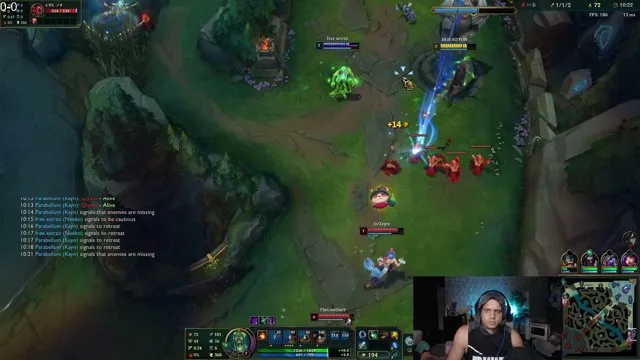
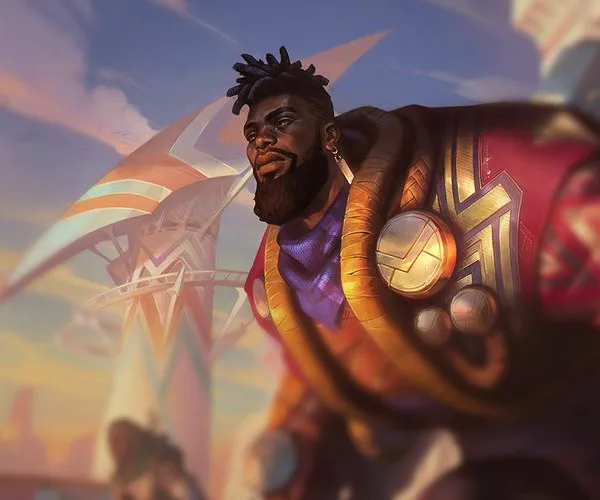
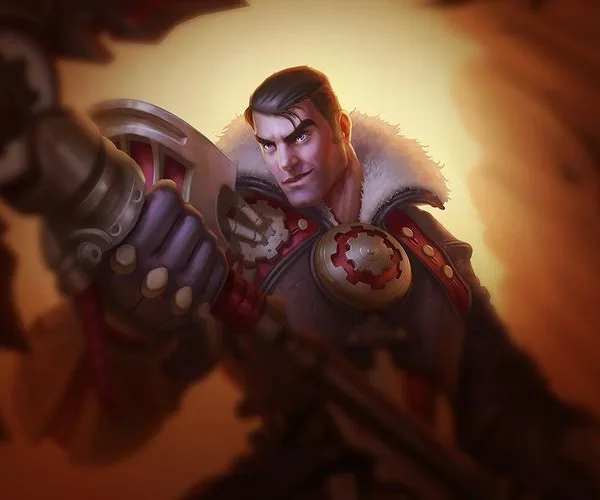
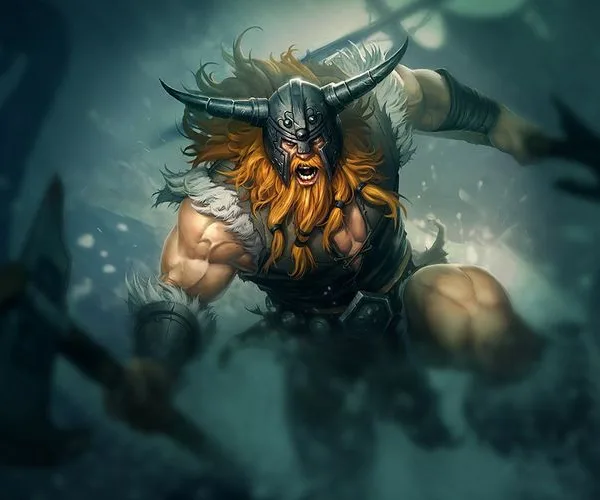
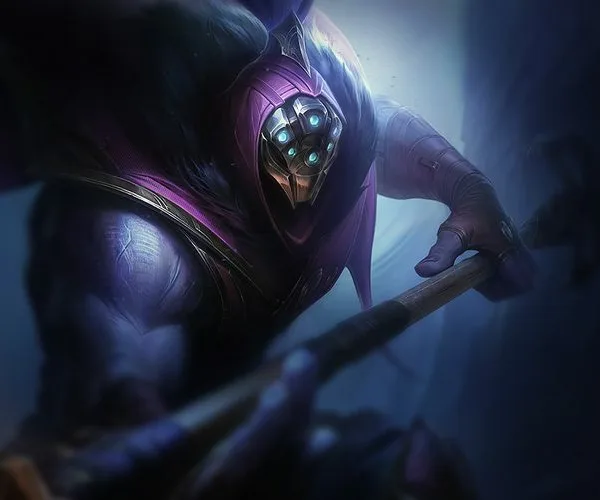
To study these decisions at high elo, the games below come from Challenger and Grandmaster players in our library: loltyler1 on Illaoi against Kayle, Burdol on K’Sante against Jayce, and Kiin on Olaf against Jax. Pick one question from this guide before you watch, such as where the wave is at each recall, and track it across the whole game. More players are on our streamers and pro players page.

loltyler1's Illaoi vs Kayle, Challenger, 8 Oct 2026Watch for: is the wave crashing into the enemy tower each time Illaoi recalls, or still pushing toward her?loltyler1 Illaoi vs Kayle
Burdol's K'Sante vs Jayce, Grandmaster, 6 Oct 2026Watch for: does K'Sante get back to lane before the bounce reaches his tower after each recall?Burdol K'Sante vs Jayce

Kiin's Olaf vs Jax, Grandmaster, 6 Oct 2026Watch for: does each Olaf recall line up with a crashed wave or an upcoming objective rather than a full gold bar?Kiin Olaf vs Jax
Common recall timing mistakes

Most lost tempo comes from the same handful of habits.

  1. Backing on a full gold bar instead of a crashed wave

    Why it happens
    The gold counter is always on screen, while the wave state is easy to ignore.
    The fix
    Check the wave first. Crash it, then back.
  2. Recalling into an objective fight

    Why it happens
    You feel weakest right before a fight, which is exactly when you want to shop.
    The fix
    Back before the objective spawns, so the shop trip ends before the fight starts.
  3. Walking into the shop without a purchase plan

    Why it happens
    Build decisions get made in fountain, often leaving you short or buying the wrong component.
    The fix
    Decide the purchase in lane, and farm one more wave if you are just short.
  4. Staying in lane too long at low health

    Why it happens
    Losing the wave feels expensive, so players hang on under tower.
    The fix
    Recall. A lost wave is cheaper than a death and the bounty it gives.
  5. Recalling in sight of the enemy

    Why it happens
    Players channel right next to the wave to save a few steps.
    The fix
    Recall out of vision, in a bush or behind your wave, so the enemy cannot interrupt or track it.
  6. Forgetting the bounce after a crash

    Why it happens
    After a free back, players detour or walk slowly, assuming the wave is safe.
    The fix
    Return directly so you meet the bounce before it reaches your tower.

Putting it into practice

Work on one rule per game rather than all of them at once. These drills each have a goal you can check yourself against.

  1. Crash and return (Practice Tool): push a wave into the enemy tower, recall as the last minion dies, and walk back to lane. Goal: arrive before the next wave reaches your tower on every attempt.
  2. Purchase plan (normal games): before every recall, type in your notes or say out loud what you will buy. Goal: every purchase in the game matches the plan you made in lane.
  3. Recall log (replay review): open the replay and pause at each of your recalls to check the wave. Goal: more recalls with the wave crashed than the game before.
  4. Objective sync (normal games): back before every Dragon spawn instead of during it. Goal: be at the pit with full health and new items for each one.

Once crash, then back is automatic, layer in the jungler sync and objective timing. Pair this with the wave management guide to build the crashes that make good backs possible, browse all guides for the next fundamental, and check the patch notes when item changes shift your back timings.

Frequently asked questions

When should you back in League of Legends?

Back when the wave is crashed into the enemy tower and you have a reason to leave: gold for a component that changes your trades, health or mana too low to contest the next wave, or an objective you need full stats for. Avoid backing while a large wave pushes into your own tower unless you would otherwise die.

Should I recall as soon as I have enough gold for an item?

Not automatically. Gold only matters once the wave is in a safe state. If a big wave is heading toward your tower, clear it and push it into the enemy tower first, then recall. Backing early buys the item but costs minions and experience, which often outweighs the stats you gain.

What does crash, then back mean in LoL?

Crash, then back means pushing your minion wave into the enemy tower and recalling while the tower kills it. Your opponent must catch the crashed wave or lose it, while you shop for free. You then return as the wave bounces back, meeting it at your tower with new items and no lost farm.

Is it ever right to back with the wave pushing into my tower?

Yes, when staying means dying or getting zoned off the wave anyway. Low health or no mana against a strong lane opponent justifies an immediate recall. Accept the minions lost to tower, return quickly, and use Teleport if you have it. The goal is spotting that moment early enough to shove first next time.

How do I sync my recall with my jungler?

Ping your back timing early and recall at the same time as your jungler when possible, ideally after crashing your wave. Returning together gives you lane prio and a stronger river skirmish. Before objectives, both of you should back before the spawn, so you arrive with full health and items instead of recalling mid-fight.

Sources

  1. Riot Games: How to play League of Legends

See these fundamentals in high-elo VODs

  • Jump straight to any moment: kills, objectives, teamfights
  • See the exact build path and rune page at every minute
  • Thousands of pro and Challenger VODs, updated daily
Champion pages
Free · Windows · no account needed