League of Legends Wave Management: Freeze and Crash

Wave management decides who farms safely, who gets ganked and who reaches objectives first. Learn when to freeze, slow push and crash, and how to use the bounce.
Wave management in League of Legends is the skill of controlling where the minion wave meets, so the lane state favors you instead of your opponent. You freeze near your tower to deny farm and invite mistakes. You slow push to build a big wave for a dive or objective. You crash the wave into the enemy tower before you recall or roam.

Every other lane skill, from trading to back timing, works better when the wave is where you want it. The rest of this guide shows you how to put it there and keep it there.

Key takeawayThe three rules of wave management

Decide the wave state before you act, not after.

  1. Freeze just outside your own tower when you are ahead or need safety, and keep the enemy wave slightly bigger than yours.
  2. Slow push by killing the enemy caster minions first, then last hit only so the stack grows until a cannon wave joins it.
  3. Crash the wave into the enemy tower before every recall, roam or objective so the bounce comes back to you.

What wave management in League of Legends is and why it decides lanes

Wave management is the choice of where minions meet and how many survive on each side. That choice decides who farms safely, who can be ganked, who loses gold and experience on a recall, and who reaches an objective first. Two players with identical mechanics can end a lane far apart because one controlled the wave and the other only reacted to it.

Every lane is always in one of three states, and the diagram below shows them side by side. A freeze holds the wave near your tower, a slow push grows a large wave that marches toward the enemy, and a crash slams that wave into their tower so it resets.

Three lanes from your tower to the enemy tower. A freeze holds the wave just outside your tower; a slow push grows your wave as it walks toward the enemy; a crash drives a big wave into the enemy tower, then you leave.
The three wave states: freeze near your tower, slow push to build a big wave, crash it into theirs.

Why the wave decides gold, experience and safety

The wave is your main income in lane. Every minion that dies to a tower instead of your last hit is gold gone, and every wave you miss while walking back from fountain is experience your opponent banks. When the enemy stands at a full wave under your tower while you shop, they build a level lead without fighting you.

Position matters as much as income. A wave near your tower shortens your path to safety and lengthens your opponent’s, which is why junglers love lanes pushed toward them. A wave near the enemy tower does the opposite: you farm in more danger, but you also own the map, because your opponent must clear before they can move.

The working rule is simple: the side with more minions pushes. Count the casters and melees, not just the health bars, and you can predict where the wave will be when the next one arrives.

Minion basics: arrival times, aggro and last-hit math

Wave management rests on three mechanics. Minions arrive on a fixed rhythm, they pick targets by predictable rules, and they die to a predictable pattern of hits. Learn all three and every wave state becomes a decision instead of an accident.

Arrival times and cannon waves

Waves spawn on a fixed schedule from each Nexus and walk at the same speed, so they meet in the middle of the lane unless something changes the numbers. Cannon minions join on a regular rotation, and super minions start joining your waves once you destroy an enemy inhibitor. A cannon adds real pushing power, so plan your crashes around it: a stack that lands with the cannon is far harder to clear under tower.

Arrival times also tell you when to leave lane. Recall just as a fresh wave reaches the middle and you lose that whole wave on the way back. Recall right after you crash and the next wave is still walking while you shop. Our guide to recall timing covers the gold side of that decision.

Minion aggro

Minions attack the nearest enemy minion by default, but they switch to you when you damage an enemy champion near them. That aggro rule is a tool. Trade, then walk back toward your tower, and the enemy wave follows you, dragging the meeting point onto your side.

Aggro also punishes careless trades. Hitting your opponent in the middle of their wave pulls several minions onto you at once, and early in lane that damage often decides who wins the exchange. Spacing your trades around the wave is covered in depth in trading in lane.

Last-hit math under tower

Turret shots hit minions hard, but they rarely leave a clean last hit on their own. Melee minions survive several turret shots, so you let the turret work and finish with a single auto attack. Caster minions are fragile, so you hit them once before the turret fires and finish with a second auto. The exact pattern shifts with your attack damage, which is why it belongs in the practice tool, and why how to last hit is worth reading alongside this guide.

Last-hit math matters for wave management because a missed minion under tower changes the count. Lose your casters and the enemy wave is suddenly bigger, which pulls the next wave toward you whether you planned it or not.

How to freeze: when, where and how to hold it

Freezing means holding the wave in place just outside your tower’s range, so your opponent must walk up to farm and you can punish them or call your jungler. It is the strongest lane state when you are ahead and a lifeline when you are behind.

When to freeze

  • You are ahead in kills or items and want the enemy laner to overextend for every minion.
  • Your jungler is nearby and you want the enemy laner deep in your half of the map.
  • You are behind and need to farm without stepping into the enemy jungler’s reach.
  • Your opponent has more pushing power than you, such as a ranged top laner, and you cannot win a push war.
  • Your opponent just recalled and will come back to a wave sitting on your side.

A freeze breaks when your opponent can wipe the whole wave quickly and shove it into your tower, or when an objective is about to spawn and your team needs you there. Holding a freeze while Dragon or Voidgrubs is contested costs your team a body, and that is a worse trade than the minions you deny.

Where to hold it

The ideal freeze spot sits just outside your tower’s range: close enough that your escape is short, far enough that the turret never touches the minions. Hold it too far forward and the enemy jungler can gank you. Let it slip inside tower range and the turret kills the wave, which ends the freeze.

How to set up and hold a freeze

A freeze needs the enemy wave to be slightly bigger than yours. With equal numbers the waves meet in the middle; with more enemy minions, their wave walks forward until it reaches your side, where you can hold it.

  1. Get the numbers right first: let a few of your own minions die to the enemy wave before you start last hitting, or trade and step back so the enemy wave chases you toward your tower.
  2. Stand in front of the wave, between the minions and the enemy laner, so you can zone them off it.
  3. Last hit only. Never auto a minion that is not about to die, because every extra hit pushes the wave forward.
  4. If the enemy wave grows large enough to drift into tower range, step in and tank a few minions to slow it. A huge stack will eventually reach the turret anyway, so plan your next crash before that happens.

Watch the cannon waves while you freeze. A cannon on your side adds pushing power and can tip the numbers in your favor, which starts a push you did not want. Be most careful with your last hits on those waves.

TipTell your jungler

A freeze is an invitation for your jungler. Ping it, so they know the enemy laner has to walk into your half of the map for every minion.

Slow pushing and building a big wave

Slow pushing means letting your wave grow over several waves so it hits the enemy tower as one large group. You do it when you want a crash with weight behind it: before a dive, before a recall you want to make expensive for your opponent, or before a roam or objective you can see coming.

How to set up a slow push

Kill the enemy caster minions first, then last hit only. Removing the casters gives your wave a small numbers advantage, so it pushes forward slowly, and the next wave from your side catches up and joins it. Each new wave adds to the stack until it reaches the enemy tower as a big group.

Time the stack so it arrives with a cannon wave. A large wave with a cannon is hard to clear under tower, so your opponent either loses minions to the turret or spends their time clearing while you go somewhere useful.

What a big wave buys you

  • Dive cover: the turret targets minions first, so a big wave gives you and your jungler a window to dive with less risk.
  • Recall pressure: your opponent must stay to clear the stack or lose a lot of gold and experience.
  • Free time: a big stack takes a while to clear, so you can roam or help at an objective while your opponent is stuck.
  • Turret plating: a large wave hitting the tower early keeps the plates under pressure while you farm.

Slow pushes are slow by design, so they fail when you need to move right now. They also keep you on the enemy side of the lane for several waves, which is a gank window. Check where the enemy jungler was last seen before you commit to a long slow push on the side of the map they are heading toward.

Fast pushing and crashing before a recall or objective

Fast pushing means clearing the wave as quickly as possible, using abilities and auto attacks on every minion, so it crashes into the enemy tower right away. You fast push when timing matters more than wave size: right before you recall, before an objective fight, or before you roam.

Crash before you recall

Recalling with the wave pushing toward you is one of the most expensive habits in League. Your minions die to the enemy wave, the enemy wave then hits your tower, and you lose gold and experience you never see. Crash first, and your opponent has to stay and clear, which costs them the same time you spend in fountain.

Crash before an objective or roam

Before Dragon, Voidgrubs, Rift Herald or Baron Nashor, the lane that crashes first moves first. Arrive while your opponent is still clearing and your team fights with an extra player. The same logic drives how to roam: push, then move, so the enemy laner has to choose between following you and losing a wave.

Push-and-move checklist

Run through this before every recall, roam or objective:

  • Is the wave crashed, or about to crash, into the enemy tower?
  • Is the next enemy wave far enough away that you will not lose much while you are gone?
  • Where was the enemy jungler last seen, and is your path safe?
  • Does your opponent have Teleport or a fast way to follow you?
  • Will you arrive before the objective spawns or the fight starts?
Watch outPush with information

Fast pushing blind, with the enemy jungler unaccounted for, is how laners die right before an objective. Ward the river or check the jungler’s last position before you commit your cooldowns to the wave.

Bounce timing and resetting the wave

A crashed wave bounces. Once your minions reach the enemy tower, the turret clears them, and the next waves meet closer to your side because the enemy wave walks forward unopposed for longer, as the diagram below shows. The wave then drifts back toward you on its own.

Three steps on a lane. Your crashed wave dies under the enemy tower; the next enemy waves meet none of your minions and stack up; then they walk back to your side of the lane, toward your tower. Crash before you recall: the next waves meet you at your tower.
Why a crash bounces: the tower clears your wave and the next enemy waves walk back to your side.

Using the bounce

The bounce is why crash-then-recall works: when you return, the wave is coming to you instead of hitting your tower. It is also the cheapest way to set up a freeze. Crash, recall, and the bounced wave often settles just outside your tower, where you can hold it with careful last hits.

Read the bounce against you too. If your opponent crashes a big wave into your tower, the following waves will drift toward their side. Clear the crash cleanly under tower, then expect to farm forward and watch for the enemy jungler waiting on that bounce.

Resetting a wave you cannot hold

Sometimes the wave is in the wrong place and nothing will fix it gradually. A reset puts the meeting point back near the middle. Either crash the whole wave into the enemy tower so the turret kills it, or, when a huge enemy wave is heading for your tower and you cannot stop it, let it hit the tower while you farm what you safely can.

Resets matter most after deaths and long recalls. If you come back to a lane where the enemy has frozen against you, walking up to that wave alone is how you die twice. Ask your jungler to help you break it, or accept the lost minions and farm the next wave safely.

Wave management by role

The three wave states are the same in every lane, but each role uses them for different reasons.

Top lane

Top is the longest lane and the hardest to help, so freezes there hurt the most. A frozen wave in front of your tower can leave a melee opponent with nothing but a long, exposed walk to farm. Teleport changes the math too: crash before you use it to join a fight elsewhere, so your wave is not bleeding into your tower while you are gone.

Ranged top laners flip the matchup. They push for free with auto attacks, so against them you usually want to let the wave come to you and hold it near your tower rather than contest every minion. Look up your pick and its matchups in our champions hub before you queue.

Mid lane

Mid is short and has a jungle on both sides, so the wave state decides who gets to move. Mid laners fast push more than any other role, because priority lets them reach river skirmishes and Dragon first. Mages with strong waveclear can crash and roam; assassins with weaker waveclear often slow push instead and time their move with the cannon.

Bot lane and support

Bot lane has two champions on each side, so wave management is a shared job. The ADC controls last hits and the push; the support decides when to stop touching minions and start zoning or warding. A slow push together is the standard setup before Dragon, and crashing before you recall together keeps both of you from losing the wave.

Supports affect the wave less directly but often decide it: a support who auto attacks minions while the ADC wants to freeze breaks the freeze. Agree on the plan with pings before each wave arrives.

Jungle

Junglers do not hold waves, but they read them more than anyone. A lane pushed toward the enemy tower with no vision is your laner’s gank risk; a lane frozen on your side is the best gank target on the map. Before an objective, help your laners crash so they arrive first, and never take minions from a wave your laner is freezing.

Common mistakes and a practice drill

Most lost waves trace back to a handful of habits.

  1. Pushing by reflex

    Why it happens
    Auto attacking minions feels productive, especially when there is nothing else to do in lane.
    The fix
    Last hit only unless you have decided to push, and say the wave state to yourself before every wave.
  2. Recalling with the wave pushing toward you

    Why it happens
    Low health or a full bank of gold triggers the recall before the wave is ready.
    The fix
    Crash first, or wait for the bounce to come back and recall then; if you must leave, accept the loss knowingly.
  3. Freezing inside tower range

    Why it happens
    Standing under your own tower feels safest.
    The fix
    Hold the wave just outside tower range so the turret never touches it.
  4. Breaking your own freeze during a trade

    Why it happens
    Abilities used on the champion also hit the wave, and autos slip onto minions in the heat of a fight.
    The fix
    Trade with single-target damage or from angles away from the minions, and stop hitting the wave once the trade ends.
  5. Fast pushing blind

    Why it happens
    The objective timer creates urgency and players rush the wave.
    The fix
    Check the enemy jungler’s last position or ward the river before you spend cooldowns on minions.
  6. Leaving a big enemy wave walking into your tower

    Why it happens
    A fight elsewhere looks more important than a few minions.
    The fix
    Clear or catch the wave first when the stack is large, or decide consciously that the fight is worth the gold.

Practice drills

Drill each wave state on its own before you try to combine them in ranked.

  1. Turret last hits (practice tool). Let a wave reach your tower and last hit every minion under it. Goal: a full wave under tower with no missed minions, repeated until you do it without thinking.
  2. Hold a freeze (practice tool or normal game). Set the freeze just outside tower range and hold it until the next cannon wave arrives. Goal: the wave never touches your tower and your minion count never overtakes the enemy’s.
  3. Slow push to a cannon crash (normal game). Kill the casters, last hit only, and time the stack to hit the enemy tower with the cannon. Goal: the stack lands with the cannon wave on your first attempt of the game.
  4. Crash before every recall (normal game). For one full game, every recall must follow a crash. Goal: every recall made with the wave pushing toward the enemy tower; write down any exception and why it happened.
  5. Narrate the wave (normal game). Say the wave state out loud, freeze, slow push or crash, before each wave reaches you. Goal: one call per wave for the whole laning phase.

Reviewing high-elo games
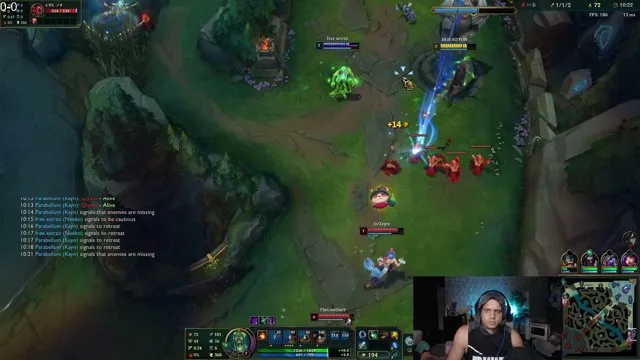
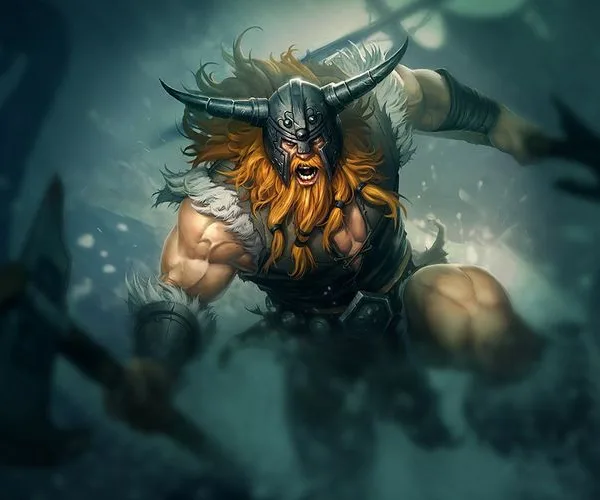
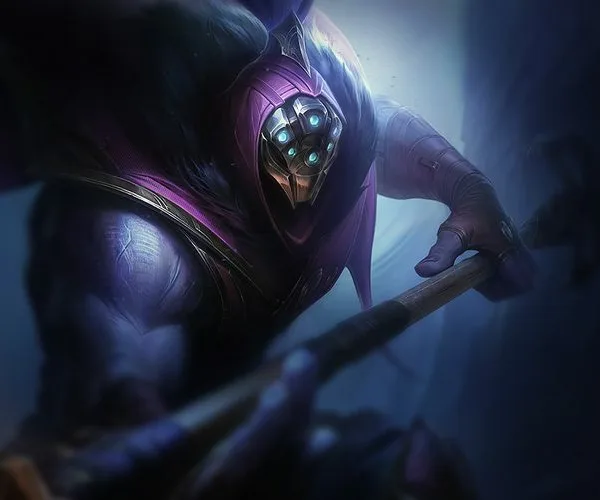
The fastest way to sharpen your read is to watch high-elo players with one question in mind. Pick a single rule from this guide and check it every time the player recalls, roams or fights. The games below come from Challenger and Grandmaster solo queue: loltyler1 on Illaoi against Kayle, Burdol on K’Sante against Jayce and Kiin on Olaf against Jax. You can find more on our streamers and pro players page.

loltyler1's Illaoi vs Kayle, Challenger, 8 Oct 2026Watch for: is the wave crashed into the enemy tower before each recall?loltyler1 Illaoi vs Kayle
Burdol's K'Sante vs Jayce, Grandmaster, 6 Oct 2026Watch for: when the wave sits on the player's side, is it held just outside tower range or inside it?Burdol K'Sante vs Jayce
Kiin's Olaf vs Jax, Grandmaster, 6 Oct 2026Watch for: before each objective or move, which wave state does the player leave behind in lane?Kiin Olaf vs Jax
Pause before each recall, predict the wave state, then check whether you were right. The prediction habit carries straight into your own games.

Putting it into practice

Work on one wave state per session. Start with crashing before every recall, because it costs nothing and saves gold in every game you play. Add the freeze once crashing is automatic, then layer in the slow push timed to the cannon.

Turret and minion values can shift between patches, so check the patch notes when your last-hit timing under tower suddenly feels off. For the next fundamental to build on this one, browse all guides.

Frequently asked questions

How do you freeze a wave in League of Legends?

To freeze, keep the enemy wave slightly larger than yours so it pushes toward you, then hold it just outside your tower’s range. Stand in front of the minions, last hit only, and never auto a minion that is not about to die. If the enemy wave grows too large, tank a few minions to slow it.

What is the difference between a slow push and a fast push?

A slow push builds a large wave over several waves by killing the enemy casters and then last hitting only, so the stack crashes with weight behind it. A fast push clears the wave as quickly as possible to crash it right away. Slow push for dives and pressure; fast push when you need to recall, roam or reach an objective.

When should you crash the wave?

Crash the wave before you recall, before you roam and before an objective such as Dragon or Voidgrubs. Crashing forces the enemy laner to stay and clear minions under their tower, so they lose time while you shop or move. It also sends the bounce back toward your side, so the wave comes to you when you return.

What does bounce wave mean in League of Legends?

A bounce is what happens after a wave crashes into a tower. The turret kills the crashed minions, so the next waves meet nearer the side that crashed, and the wave drifts back toward that player’s tower. Players use the bounce to recall without losing minions and to set up a freeze on their own side.

Why does my wave keep pushing into the enemy tower?

Your wave pushes when it has more minions than the enemy’s. That usually happens because you hit minions that were not about to die, or because your opponent is letting you push so the wave crashes and bounces back toward their side. Last hit only, count the minions on each side, and stop attacking once your wave is ahead.

Sources

  1. Riot Games: How to play League of Legends

See these fundamentals in high-elo VODs

  • Jump straight to any moment: kills, objectives, teamfights
  • See the exact build path and rune page at every minute
  • Thousands of pro and Challenger VODs, updated daily
Champion pages
Free · Windows · no account needed