How to Trade in Lane: Short Trades and All-ins

Good trades come from timing, not damage. Learn the three trading windows, how to pick between short trades, extended trades and all-ins, and how to use your wave so every exchange costs the enemy more than it costs you.

To trade in lane, hit your opponent when they cannot answer at full strength: as they commit to a last hit, while their key ability is on cooldown, or when their minions are not ready to punish you. A good trade is not the one where you deal the most damage. It is the one that leaves you ahead on health, mana, gold or wave position once both of you walk away.

The skill has two parts. First you spot the window. Then, before you step forward, you decide whether you want a short trade, an extended trade or an all-in, and you leave the moment that window closes.

Key takeawayThe core of lane trading

Every trade is an exchange of resources, and you only take the ones you can price before you commit.

  1. Trade when the enemy is busy: mid last hit, mid cooldown, or standing without minion support.
  2. Decide the trade length before you step forward, and leave the moment the window closes.
  3. Fight beside your bigger wave and never into theirs, unless the kill is certain.

How to trade in lane: what a good trade is

A good trade leaves you better off than your opponent across every resource the lane uses. Health is the obvious one, but mana, summoner spells, missed last hits, experience and the position of the wave count just as much. If you take a big slice of the enemy top laner’s health bar but miss a cannon minion and get shoved under your own turret, you may have lost the trade.

Count the whole ledger

Before and after every exchange, compare where both of you stand. Ask what each player spent and what each player gained, not just whose health bar moved more.

  • Health relative to max: a champion with more health and armor can absorb a hit that looks big on screen and barely notice it.
  • Mana and energy: a mage who empties their pool to win one trade may have no answer to the next.
  • Summoner spells: forcing Flash or Ignite out is a win even if the health bars look even.
  • Gold and experience: every last hit you miss while trading is gold the enemy did not have to fight for.
  • Wave position: a trade that leaves the wave crashing into your turret hands the enemy tempo and a free recall.

Sustain shifts the math. Champions with healing in their kit win back health over a long lane, so a trade that looks even now can become a loss a couple of waves later. Price the trade over the next few minutes of laning, not the next few seconds.

Trades that win without damage

Some of the best trades deal almost no damage. Standing in position to punish the enemy’s next last hit forces them to choose between gold and health, and either choice favors you. Zoning a melee champion off the cannon, baiting a Flash with a skillshot, or pushing them into an early recall all count as wins on the ledger.

This is where low elo and high elo diverge most. In lower ranks, players often trade for the sake of damage and then lose more farm than they took in health. In Diamond and above, players treat health as currency: they spend it on purpose to take a wave, a turret plate or a better back timing, and they let the enemy chip them when it costs less than the farm they would lose by stepping back.

Trading windows: last hits, cooldowns and minion aggro

The best time to trade is when your opponent is committed to something else. Three windows cover most of laning: the moment they walk up for a last hit, the seconds after they use their key ability, and any time their minions are not ready to punish you. The diagram below lays out all three, including why trading inside a full enemy wave costs more than it looks.

Three rows on a ten-second lane timeline. Their last hit: a short window to trade as they wind up. Their key spell is down: a long window until it is back. Minion aggro: a stretch in their wave where their minions hit you, so trade in yours.
Trading windows: their last hit, their key cooldown, and the minion aggro that makes trading in their wave cost more.

Their last hit

A last hit locks the enemy into a predictable spot and an attack animation. When a low-health minion sits in their wave, you know where they are about to stand, so you can pre-aim a skillshot or step in with an auto attack just as they commit. Melee champions are especially exposed, because they have to walk into your range to farm at all.

This only works if your own farming is clean. If you have to choose between your last hit and punishing theirs, take your own unless the trade is decisive: a missed minion is guaranteed gold lost, while a trade can be answered. Sharpen the basics with our guide on how to last hit so you have spare attention for the enemy.

Their key cooldown

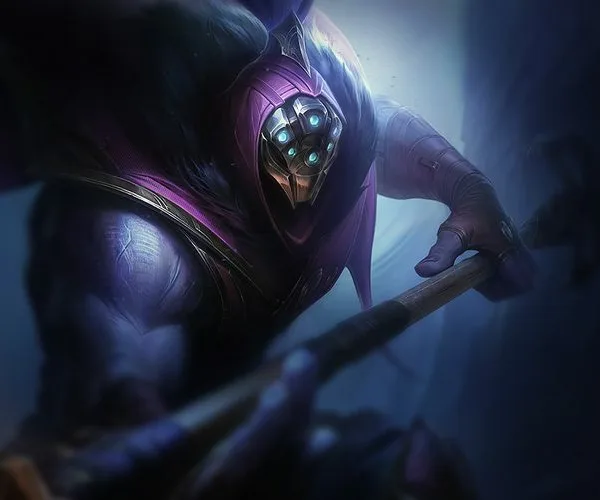
Most matchups hinge on one ability: the dash, shield, stun or counter that decides who wins an exchange. When it is down, the lane belongs to you until it comes back. Jax is the textbook case. His E, Counter Strike, dodges basic attacks and stuns at the end, so an auto-attack champion who trades into it loses; if he spends it on a wave or to escape, you can hit him freely.

Summoner spells count too. A top laner without Flash cannot dodge an engage, and a laner without Teleport plays more carefully because a death costs them more. Build the habit with our cooldown tracking guide, and note how long the window lasts, not just that it opened: a long cooldown gives you room for an extended trade, while a short one only allows a quick hit.

Minion aggro

When you damage an enemy champion near their minions, those minions switch targets to you. Early in the game a full enemy wave hits hard, so the same combo costs far more health when you throw it beside their minions than beside your own. This is why players lose trades they won on damage: the minions dealt the difference.

Use aggro instead of fighting it. Trade when their wave is small, when their minions are already busy hitting yours, or when you can land your damage from outside their range. After a short trade, walk out of minion range so they drop you before you return to farming. If your own wave is about to arrive, stepping forward a moment later, alongside your minions, often turns a losing trade into a winning one.

Run through this checklist before any trade you start yourself:

  • Is the enemy about to last hit, or already in an attack animation?
  • Is their key ability or a defensive summoner spell on cooldown?
  • Is their wave smaller than mine, or busy attacking my minions?
  • Do I know where their jungler was last seen?
  • Have I decided whether this is a short trade, an extended trade or an all-in, and where I exit?
Watch outTurret aggro follows the same rule

Damaging an enemy champion under their turret pulls the turret onto you. Trade near their tower only when your wave is tanking it or the kill is certain, and never stay for a second rotation.

Short trades vs extended trades vs all-ins

Every trade falls into one of three lengths, and you should pick one before you step in. A short trade is a quick hit and exit, an extended trade is a fight across several ability rotations, and an all-in commits everything for a kill. The right choice depends on which champion wins each length, which you can check for your specific lane on our champion pages.

Short trades

A short trade lands your damage before the enemy can respond fully, then ends. Ranged champions do this with poke: Jayce can hit from range and walk away before a melee champion closes the gap. Melee champions do it with a tight pattern, such as a dash in, an auto attack and an ability, then a walk out before the enemy’s minions or cooldowns turn the fight.

Short trades win when your burst is front-loaded and theirs is not, or when you have more range. They fail against champions who win the moment the fight goes past the first exchange, because any delay in your exit hands them the extended trade they want. Plan the exit as carefully as the entry: know which direction you will walk and what the enemy can use to follow.

Extended trades

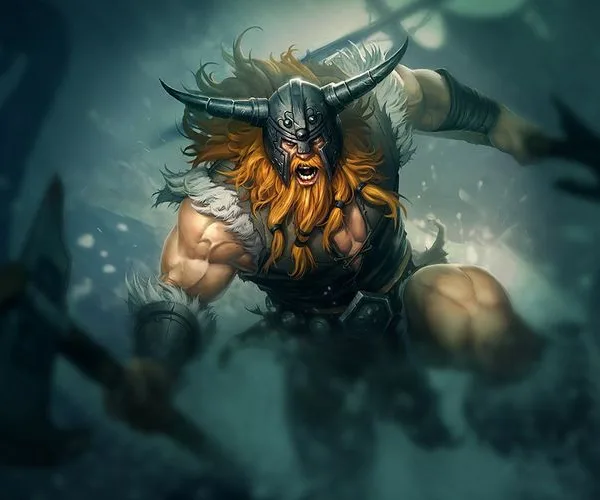
An extended trade keeps both champions fighting through multiple cooldowns. It favors champions with sustain, stacking damage or attack-speed scaling, the ones who get stronger the longer the fight runs. Olaf, Jax and Illaoi all want this kind of exchange, while a poke champion or a burst mage usually does not.

Winning an extended trade takes more than a damage advantage. You need minion support or at least a neutral wave, your key cooldowns ready at the start, and no enemy jungler close by. Illaoi is the clearest example: her fights are far stronger among her tentacles, so she wants the enemy to come to her rather than chasing into open space where her setup is gone.

All-ins

An all-in uses everything, including summoner spells, to kill. It is the highest-reward trade and the one most often taken on bad information. Before you commit, check whether your full combo plus Ignite actually kills, where the enemy jungler is, and what happens to the wave whether you win or lose.

All-ins are strongest at a power spike and against an enemy who just burned a defensive tool such as Flash. They are weakest into a big enemy wave, near the enemy turret, or into a champion who wins the long fight once the burst is spent. If the kill fails, you are low, without summoner spells and usually facing a bounced wave, so treat a near-miss all-in as a lost trade.

TipName the trade before you take it

Say ‘short’, ‘extended’ or ‘all-in’ to yourself before you step forward. If you cannot name it, you are not ready to take it, and the safer choice is to keep farming and wait for the next window.

Using the wave to trade

Your wave decides how much a trade costs, so plan trades around it. Fight when your minions outnumber theirs, and avoid fights where you would be standing in a large enemy wave. The full mechanics of freezing and slow pushing are in our wave management guide; this section covers how each wave state opens or closes trades.

Trade as your bigger wave arrives

A slow push builds a large wave on your side. As it meets the enemy minions, your minions soak up aggro and outdamage theirs, so any trade you take has support behind it. This is the best moment for an extended trade: the enemy fights into more minions than you do, and if they back off, they lose farm instead of health.

Punish the enemy when you freeze

A freeze near your turret forces the enemy to walk deep into your side of the lane to farm. Every step they take is a step into your minions and away from their own, which opens a trade on each last hit. Melee champions struggle most here, since they cannot farm from range and have to choose between missing minions and eating free damage.

Trade around the crash, not into the bounce

Crashing the wave into the enemy turret forces the enemy to farm under it, which makes it harder for them to trade back, and it creates a safe back timing for you. The risk is the bounce: if you take a long trade right as your wave crashes and come out low, the wave returns toward you while you are in no state to contest it. Trade before the crash only when the exchange clearly favors you; otherwise crash, reset and look for the next window.

Drills to build trading habits

Practice these in normal games, one per game. Each has a pass condition you can check yourself in the replay.

  1. Last-hit punish drill. Attack or cast at the enemy every time they walk up to last hit a low minion while your wave is equal or larger. Goal: by the end of laning, you have not missed a last hit of your own to do it.
  2. Cooldown call drill. Pick the enemy’s key ability and say aloud when they use it and when it should be back. Goal: for a full laning phase, every trade you start begins while that ability is down.
  3. Aggro exit drill. After every short trade, walk out of enemy minion range before you farm again. Goal: no trade in the game where you take a second round of minion hits after your combo ends.
  4. Trade length drill. Before each trade, name it short, extended or all-in. Goal: when you review the replay, every trade you took lasted the length you named.
  5. Wave-size drill. Only start trades when your wave is equal to or larger than theirs. Goal: zero trades taken into a bigger enemy wave for an entire game, checked in the replay.

Matchup knowledge and power spikes

Matchup knowledge tells you which windows matter and which trade length each champion wins. A trade that is correct in one lane can be a mistake in the next, so every principle in this guide gets its final answer from the specific matchup. Look up your lane on our champion pages and note the enemy’s key cooldown, their preferred trade length and when they spike.

Reading three matchups

Illaoi into Kayle is a matchup decided by time. Kayle is weak early and scales hard, so the lane rewards Illaoi for trading often and forcing Kayle off farm while the gap is largest. Kayle’s side is the reverse: take only the trades that cost nothing, protect farm and wait for her power spikes.

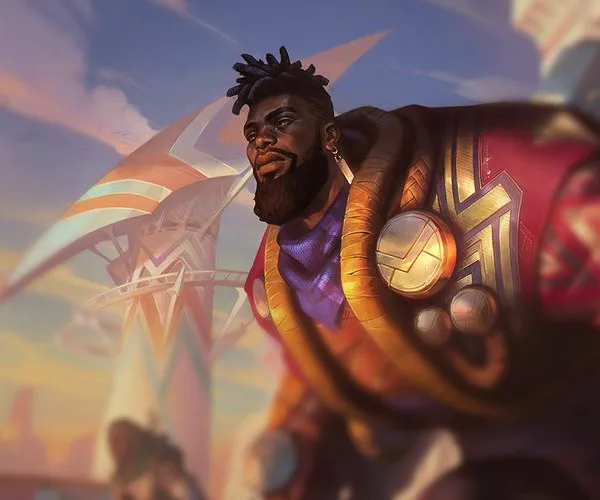
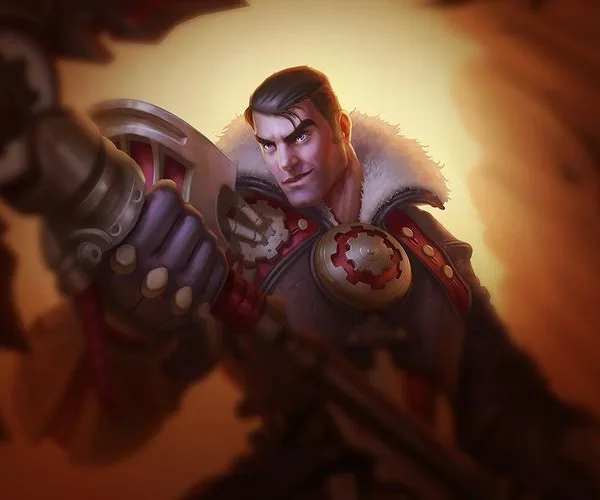
K’Sante into Jayce is range against durability. Jayce wants short trades from distance and never wants to be caught in a long fight. K’Sante wants to absorb poke efficiently, keep the wave where Jayce has to step up to farm, and turn the exchange into an extended trade when Jayce misses or spends a key ability.

Olaf into Jax pairs two champions who like long fights, so cooldowns decide who wins. Olaf wants to commit when Counter Strike is down, and Jax wants to hold it for the moment Olaf steps in. In mirror-style matchups like this, the player tracking cooldowns better usually wins the lane, not the one with more mechanical flair.

Power spikes change the answer

A power spike flips who wins each trade length. Level-ups, a completed component, your ultimate and your first full item can all turn a losing matchup into a winning one for a stretch of the lane. Learn the spikes for both champions from our power spikes guide, and look for trades in the window where you have reached a spike and the enemy has not.

The reverse matters as much. If the enemy just unlocked their ultimate or bought a big item on their back, stop taking the trades that worked earlier until you have matched them. Balance changes move these windows, so read the patch notes whenever your champion or a common opponent is touched.

Studying high-elo lanes

Watching strong players in your matchup is the fastest way to learn its trading windows. Pick a game with your champion or your opponent, and watch with one question from this guide in mind instead of trying to absorb everything at once. The games below are from MID.GG’s library, and you can find more by browsing our streamers and pro players.

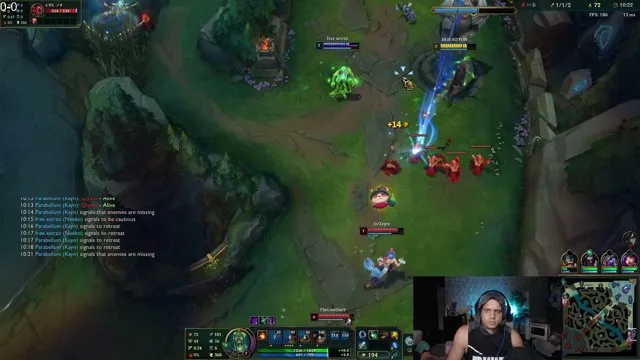
loltyler1's Illaoi vs Kayle, Challenger, 8 Oct 2026Watch for: does Illaoi start trades near her tentacles, and does Kayle only trade when it costs her no farm?loltyler1 Illaoi vs Kayle
Burdol's K'Sante vs Jayce, Grandmaster, 6 Oct 2026Watch for: does K'Sante turn poke into an extended trade only after Jayce spends a key ability?Burdol K'Sante vs Jayce

Kiin's Olaf vs Jax, Grandmaster, 6 Oct 2026Watch for: is Jax's Counter Strike on cooldown each time Olaf commits to an extended trade?Kiin Olaf vs Jax
Common mistakes when trading

Most lost lanes come from a small set of trading errors, and each one has a simple fix.

  1. Trading into a bigger enemy wave

    Why it happens
    Your combo looks free on screen, and the minion damage arrives after you have already committed.
    The fix
    Check minion counts before you step forward and trade beside your own wave, or wait until their minions are busy.
  2. Staying too long in a short trade

    Why it happens
    The enemy looks low, so you chase for one more hit and give them the extended trade they win.
    The fix
    Plan the exit before the entry and walk out the moment your burst is spent, whatever the health bars show.
  3. Trading while their key cooldown is up

    Why it happens
    You track your own abilities but not theirs, so you step into the dash, shield or counter that wins their trade.
    The fix
    Track one enemy ability per game and only start trades while it is down.
  4. Missing your own last hits to trade

    Why it happens
    Focus shifts to the enemy and the minions die unattended, so the trade costs more gold than it earns.
    The fix
    Take your last hit first and trade off the enemy’s next one unless the exchange is decisive.
  5. All-ins without jungle information

    Why it happens
    The kill looks close, so you commit without checking where the enemy jungler was last seen.
    The fix
    Glance at the map before every all-in and skip it when the enemy jungler could be on your side of the map.
  6. Judging trades by a health snapshot

    Why it happens
    The health bars look even right after the exchange, but sustain, mana and wave position tell a different story.
    The fix
    Re-check the full ledger a wave later, including mana, summoner spells, farm and where the wave is heading.

Putting it into practice

Pick one window to focus on in your next game, not all of them. If you play a melee top laner, start with minion aggro: trade only beside your bigger wave and walk out of enemy minion range after every exchange. If you play a ranged laner, start with last hits and punish every time the enemy walks up to farm.

After the game, open the replay and review the first trades of the lane. For each one, note whether it was short, extended or an all-in, whether you named it before you started, and who came out ahead on the full ledger. Once that review becomes routine, add the next window, and use our full guide library to fix the gaps your replays reveal.

Frequently asked questions

What is a good trade in League of Legends?

A good trade is an exchange that leaves you ahead on every resource the lane uses, not just health. Count mana, summoner spells, missed last hits, experience and wave position. Dealing more damage but missing a cannon minion or getting shoved under your own turret can still be a losing trade overall.

When should you trade in lane?

Trade when the enemy cannot answer at full strength: as they walk up to last hit, while their key ability or a summoner spell is on cooldown, or when their minions are not ready to punish you. Avoid trading into a bigger enemy wave, under their turret, or when their jungler could be close.

What is the difference between a short trade and an extended trade?

A short trade is a quick exchange where you land damage and leave before the enemy fully responds, common for poke and burst champions. An extended trade lasts through several ability rotations and favors champions with sustain, stacking damage or attack-speed scaling. Decide which length you win before stepping forward.

Why do I lose trades even when I deal more damage?

Usually it is minion aggro. When you hit an enemy champion near their minions, those minions switch to attacking you, and an early full wave hits hard. Trade beside your own larger wave or when their minions are busy, and walk out of their range after the exchange so they drop you.

How do power spikes affect trading in lane?

A power spike temporarily changes who wins each trade length. Level-ups, completed components, your ultimate and your first item can turn a losing matchup into a winning one. Look for trades when you have reached a spike and the enemy has not, and play safer right after they reach theirs.

Sources

  1. Riot Games: How to play League of Legends

See these fundamentals in high-elo VODs

  • Jump straight to any moment: kills, objectives, teamfights
  • See the exact build path and rune page at every minute
  • Thousands of pro and Challenger VODs, updated daily
Champion pages
Free · Windows · no account needed