How to Last Hit in League of Legends: CS Guide

Last hitting is timing, not reaction. Learn the windup and projectile rules, the under-tower pattern, how to trade while farming, and a 10-minute practice tool drill that raises your CS per minute.

To last hit in League of Legends, start your attack before the minion is low enough to die, so your damage lands the moment its health drops into your kill range. That means knowing your attack windup, your projectile travel time and the damage other minions are dealing, then switching to a fixed pattern under tower, where the tower’s shots set the rhythm. CS is the most reliable gold in the game, and you can train it with a 10-minute practice tool drill.

Key takeawayThe three rules of last hitting

Last hitting is timing, not reaction: you commit to the attack before the minion is low.

  1. Start the attack early by the length of your windup and projectile travel, not when the health bar already looks empty.
  2. Under tower, let melee minions take two tower shots and casters one, then finish them with your hit.
  3. When your opponent commits to a last hit, that is your window to trade; when you commit to one, expect to be punished.

Why CS beats kills for gold

CS beats kills for gold because minions are guaranteed and kills are not. A wave arrives on a fixed schedule whether you are ahead or behind, and every minion you finish pays you without a fight. A kill is a bigger single payout, but most lanes trade only a handful of them across the laning phase, while a full wave meets yours every time.

Small misses compound. Dropping a couple of minions per wave looks harmless, but across the laning phase those misses add up to more than the gold of a kill you handed away without a fight. The opponent who farms cleanly while you trade evenly ends lane with the item lead.

Not every minion is worth the same. The cannon (siege) minion is the most valuable minion in a wave, so it is the one you protect first when two minions drop low together. Caster minions are fragile and die fast, which makes them the easiest to miss; melee minions are slow and forgiving.

Missed CS costs gold, not experience. You earn experience from enemy minions dying near you whether or not you land the final hit, so staying in lane and missing a few is far better than leaving lane, which costs both. That is why a bad back or a long walk hurts more than a fumbled last hit.

This matters most for top, mid and bot laners. Junglers’ camps count toward their CS score, so the same timing habits apply to clearing, while supports deliberately leave minions to their laner. Gold becomes items, and items decide when your champion gets stronger; our guide to power spikes shows which purchases change how your lane plays.

Benchmarks: CS per minute by elo and role

The right CS per minute benchmark is one you can actually measure against: your lane opponent, your own recent games and strong players on your champion. CS/min appears on the post-game screen and live CS sits on the scoreboard, so you can check yourself at any moment without outside tools. A single universal target is less useful than these comparisons, because champion, role and game length all move the number.

CS per minute by role

Mid and bot laners usually post the highest CS/min, because mid is short and safe and the bot laner’s support leaves the wave to them. Top laners farm similarly during lane but lose more minions to Teleport plays, long walks back and side-lane fights. Junglers are measured in camps plus any waves they pick up, and supports sit at the bottom by design.

CS per minute by elo

The gap between low elo and high elo is smaller in lane than most players think and much larger after it. From Iron to Gold, CS/min often collapses once the first turret falls, because everyone groups mid and side waves crash into towers with nobody there. From Diamond up, laners keep catching side waves between objectives, so their CS/min holds up all game. If your number drops sharply after laning, that is your biggest gain, ahead of any mechanical fix.

Farming tools differ by champion: a champion with a cheap ranged area ability clears differently from a melee champion who needs every auto. Champion-specific CS tips live on each champion’s page in our champion database.

Set two benchmarks. First, compare your CS with your lane opponent’s on the scoreboard at the end of laning; matching or beating them is the floor. Second, track your own CS/min across your last games and aim to push it up, rather than chasing a number someone posted on a different champion in a different role. Run this check whenever there is a quiet moment after laning:

  • A side wave is heading toward one of your towers and no ally is near it.
  • Your next recall lines up with your wave pushed away, not crashing into your tower.
  • You know which side lane you walk to after the next objective.
  • Your CS is level with or ahead of your role opponent on the scoreboard.
  • The cannon in the nearest wave is one you can reach before it dies to the tower.

How to last hit: animation, projectile speed and timing

Consistent last hits come from starting the attack early by a fixed amount: the time your attack takes to land. That delay has two parts, the windup of your attack animation and, for ranged champions, the flight of the projectile to the minion. Learn both for your champion and you stop losing minions you could see were low.

Attack windup

Every basic attack has a windup before the damage happens. If you click when the minion is already low enough to die, it keeps taking damage from other minions during your windup and often dies to them first. Click when the minion will be low enough at the moment your attack lands.

Attack speed shortens this delay, so your rhythm changes as you level up and buy items. Re-learn your timing after each attack speed purchase; the first wave after a Zeal-type item is where most players miss caster minions they used to take.

Projectile speed and distance

Ranged champions add travel time on top of the windup, and the farther you stand, the longer that delay. Champions with slow projectiles are punished more for late clicks. For a tight last hit, step closer so the projectile has less ground to cover; for slow, easy melee minions, you can stay at max range and stay safe.

Melee champions have no projectile, so the windup is the only delay to time. The cost is position: a melee champion has to walk into the wave to farm, which puts them in range of enemy minions and enemy trades every time they go for a hit.

Reading the minion fight

The health bar is only half the information. Look at what is hitting the minion: a caster focused by several of your melee minions drops in big chunks, while a melee minion hit by a single caster loses health slowly. Predict the next incoming hit and time your attack to land right after it.

When two minions drop low together, take the more valuable one with an auto and the other with an ability, or let the cheaper one go. Abilities are backup, not your main farming tool, unless your champion is built around them; spending mana on every last hit leaves you empty when a trade or gank comes.

TipRe-check timing after big patches

Changes to base attack damage, attack speed or minion stats shift your timing without warning. When a patch touches your champion or minions, spend a few minutes in practice tool before ranked; the patch notes tell you whether anything you rely on moved.

Last hitting under tower

Last hitting under tower is easiest when you stop treating it as reaction and follow a pattern: let the tower do most of the damage, then finish the minion. The diagram below shows the baseline: melee minions take two tower shots and then your hit, while caster minions take one tower shot and then your hit.

Two minion health bars next to your tower. A melee minion loses most of its health to two tower shots and the last part to your hit; a caster minion takes one tower shot, then your hit. Cannons: hit once, let the tower shoot, then finish.
Under tower: melee minions take two tower shots then your hit, casters one shot then your hit.

Treat the pattern as a starting point, not a law. Very early, when your attack damage is low, a caster may need a hit from you before the tower shot so your follow-up finishes it. As your attack damage grows with levels and items, minions die sooner and you can sometimes skip the setup. Your own minions also chip the same targets, so watch whether a minion has taken extra damage before the tower picks it.

Cannon minions take several tower shots. Do not hit them early; wait until they are low and finish with an auto or an ability. If you can only save part of the wave, save the cannon first, then the casters, because melee minions are the easiest to recover with the pattern.

Why you end up under tower

You farm under tower because the wave pushed into you, either because your opponent shoved or because you came back at a bad moment. Arriving as the wave crashes into your tower gives you a harder pattern and less room to trade. Good recall timing and wave management keep you out of this spot more often than any under-tower trick.

Exceptions by champion type

Melee champions with weak waveclear find towers hardest, because every hit means walking into the enemy wave next to the tower’s target. Champions with an area-damage ability can let the tower soften several minions and then clear them together, saving autos for the cannon. Ranged champions can farm from behind their tower’s range and take fewer hits from the enemy wave, so they should lose almost nothing under tower once the pattern is automatic.

Trading while you farm

The best time to trade is when your opponent commits to a last hit, and the worst time to last hit is when they are waiting to punish you. A last hit locks a champion into an attack animation at a predictable spot next to a low minion, so both players know where the other will be.

Punishing their last hits

Watch the low minions on their side of the wave. When one drops into their kill range, your opponent has to step toward it and attack; move forward and hit them during that windup. Ranged laners do this best because they can reach the champion without walking into the enemy wave, but melee champions can do it with a gap closer when the minion sits on the near side of the wave.

Minion aggro

Attacking an enemy champion near their minions pulls those minions onto you. Short trades are fine; long trades inside a full enemy wave cost more health than they win. Trade when their wave is smaller than yours, and step back before minion damage stacks up. For the full decision tree, read our guide to trading in lane.

Choosing between the CS and the trade

Gold from a minion is permanent; health lost in a trade comes back when you recall. If a trade costs you a cannon, it usually needs to force a recall or set up a kill to be worth it. Against a lane bully, give up melee minions before casters or the cannon, and use a ranged ability to take minions you cannot reach safely with an auto.

The three high-elo games below are good review material for this skill. Pause before each last hit, predict which player gets the better end of the exchange, then play it out and check yourself. More Challenger and Grandmaster games are on our streamer and pro player pages.

loltyler1's Illaoi vs Kayle, Challenger, 8 Oct 2026Watch for: when the Kayle player steps up for a last hit, does the Illaoi player trade during that animation?loltyler1 Illaoi vs Kayle
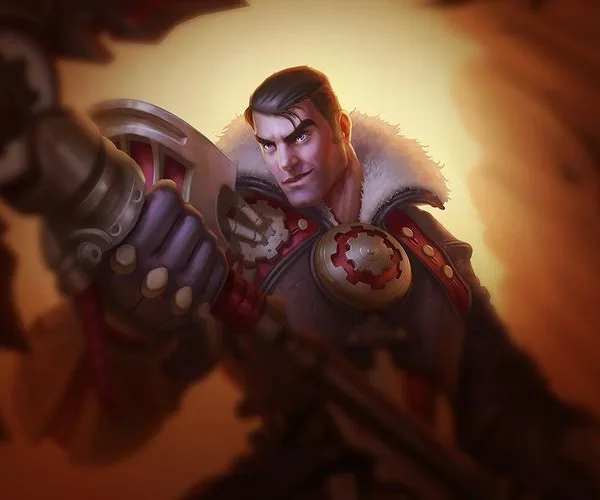
Burdol's K'Sante vs Jayce, Grandmaster, 6 Oct 2026Watch for: before each recall, is the wave pushed away from the K'Sante player's tower rather than about to crash into it?Burdol K'Sante vs Jayce

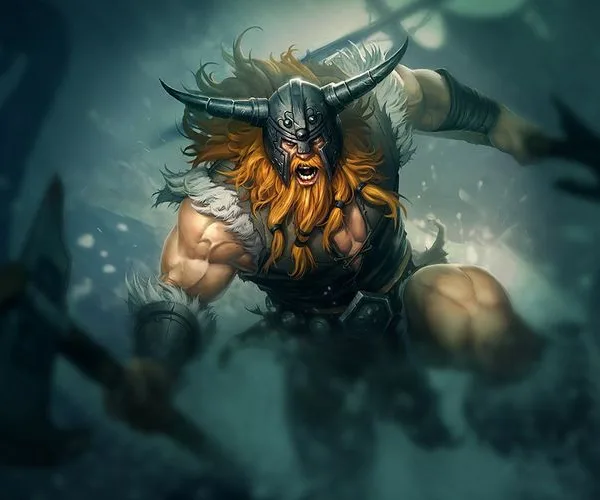
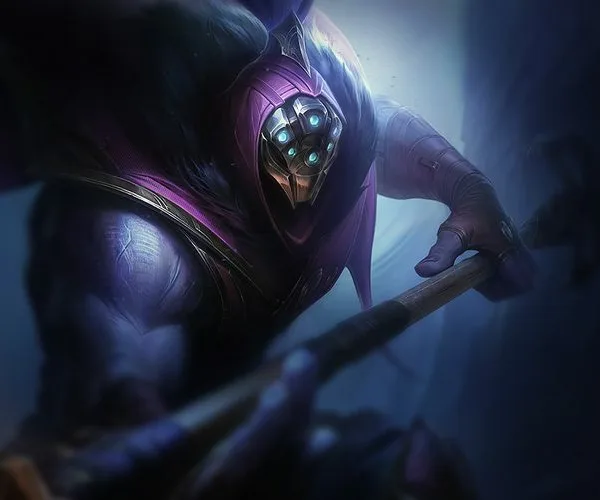
Kiin's Olaf vs Jax, Grandmaster, 6 Oct 2026Watch for: when minions reach the tower, does the Olaf player follow the two-shot melee, one-shot caster pattern?Kiin Olaf vs Jax

A 10-minute practice tool CS drill

This practice tool CS drill fits a 10-minute timer before your first ranked game and trains the skills in this guide in order. Pick the champion you play most, buy your usual starting item, and use the CS counter to keep score. Each step has a goal you can check yourself against.

  1. Autos only, standing still. Last hit a wave with basic attacks only and do not move between hits. Goal: no missed minion in the wave.
  2. Autos only, from range. Ranged champions farm from max range; melee champions farm from the back edge of the wave. Goal: no missed caster minion, since casters die fastest.
  3. Add one ability. Use an ability only when two minions drop low at the same time. Goal: every cannon secured and no ability spent on a minion an auto could take.
  4. Move between hits. Walk side to side between last hits as if dodging skillshots. Goal: match your score from step 1 without standing still.
  5. Change your stats. Buy an attack damage or attack speed item and farm another wave. Goal: no missed minion after the timing change.
  6. Log the result. Write down your CS when the timer ends. Goal: beat that number at your next session.

Under-tower practice works better in a real game, because the pattern depends on minions reaching your tower. In a normal or Co-op vs. AI game, let the first wave that pushes into you sit under tower and farm it with the two-shot melee, one-shot caster pattern. Goal: secure every cannon that reaches your tower in that game.

Common mistakes when last hitting

Most CS loss comes from a few habits, not from bad hands.

  1. Auto-attacking full-health minions

    Why it happens
    Hitting something feels productive, and players treat damage on the wave as progress.
    The fix
    Only attack minions about to die unless you have decided to push the wave; idle autos shove the lane toward the enemy tower.
  2. Clicking when the minion already looks dead

    Why it happens
    Players react to the health bar instead of predicting it.
    The fix
    Start the attack early by your windup and projectile time so the damage lands as the minion enters kill range.
  3. Panicking under tower

    Why it happens
    The tower’s damage looks random, so players spam autos on every minion.
    The fix
    Follow the pattern: two tower shots then your hit on melee, one tower shot then your hit on casters, and save the cannon.
  4. Using abilities on every last hit

    Why it happens
    Abilities feel safer than timing an auto.
    The fix
    Farm with autos and keep abilities for double low minions, cannons and minions you cannot reach safely.
  5. Standing at max range for every ranged last hit

    Why it happens
    Max range feels safe, but it adds projectile travel time.
    The fix
    Step closer for tight last hits on casters and cannons, then step back out.
  6. Stopping farming after laning

    Why it happens
    Fights and objectives pull everyone to mid and side waves get forgotten.
    The fix
    Catch a side wave between objectives whenever it is safe, and check the scoreboard against your role opponent.

Putting it into practice

Pick one skill per session. Run the drill before your first game, then spend that game on a single habit, such as the tower pattern or punishing your opponent’s last hits, and check your CS against your lane opponent at the end of laning.

When your drill score stops rising, shift your focus to farming after lane, because that is where the gap to high elo lives. When that habit sticks, pick your next fundamental from all guides.

Frequently asked questions

What is a good CS per minute in League of Legends?

A good CS per minute is one that matches or beats your lane opponent and rises over your recent games. Mid and bot laners usually farm the most, top laners slightly less, junglers count camps, and supports farm little by design. The biggest gap between low and high elo shows after laning, when side waves go uncollected.

How do you last hit under tower in League of Legends?

Let the tower set the rhythm. As a baseline, melee minions take two tower shots and then your basic attack, while caster minions take one tower shot and then your attack. Early on, with low attack damage, casters may need a hit from you before the tower shot. Save cannon minions until low, then finish them.

Is CS more important than kills in League of Legends?

For steady gold, yes. Minions arrive every wave whether you win fights or not, and missing a few per wave adds up to more than a kill’s worth of gold over the laning phase. Kills pay more at once but are rare and risky. Missing CS costs gold, while leaving lane costs gold and experience.

How do I practice last hitting in practice tool?

Set a 10-minute timer and play your main champion with your usual starting item. Last hit a wave with autos only, then from max range, then add one ability for when two minions drop low together, then farm while moving. Log your CS at the end and try to beat it at your next session.

Why do I keep missing last hits?

Most missed last hits come from clicking too late. Your attack has a windup, and ranged attacks also travel, so the minion keeps taking damage from other minions before your hit lands. Start the attack when the minion will be low enough on impact, step closer for tight ranged hits, and re-learn timing after attack speed items.

Sources

  1. Riot Games: How to play League of Legends

See these fundamentals in high-elo VODs

  • Jump straight to any moment: kills, objectives, teamfights
  • See the exact build path and rune page at every minute
  • Thousands of pro and Challenger VODs, updated daily
Champion pages
Free · Windows · no account needed